

Another delightful way to enjoy stunning summers is with simple and natural treats. Don’t you agree that citrus drinks are essential during hot summer days? When it includes red currant, it feels like a touch of luxury, especially since it’s not widely available in stores.
The red currant bush is an astonishing sight in the garden when it is laden with berries, showcasing long, glossy clusters of bright red fruit. They also come in white and black varieties. It’s wonderful to have unique flavors in the kitchen that aren’t so common. We need to nourish our creative spirits!

In our garden, one red currant bush thrives, and each year, there are more berries to harvest and appreciate. This year, they all ripened at once, which was a spectacular sight. I spent several hours picking berries from just that one bush!
Growing currants is easy and doesn’t require special attention. They thrive in areas with cold winters, are frost-resistant, and prefer mostly sunny to partially shaded locations.
Red currants are ready to harvest in late spring or early summer. If you don’t have a small garden space, late June is a great time to visit a flea market to find one. This timing allows us to enjoy a long summer with a delightful and unusual flavor.
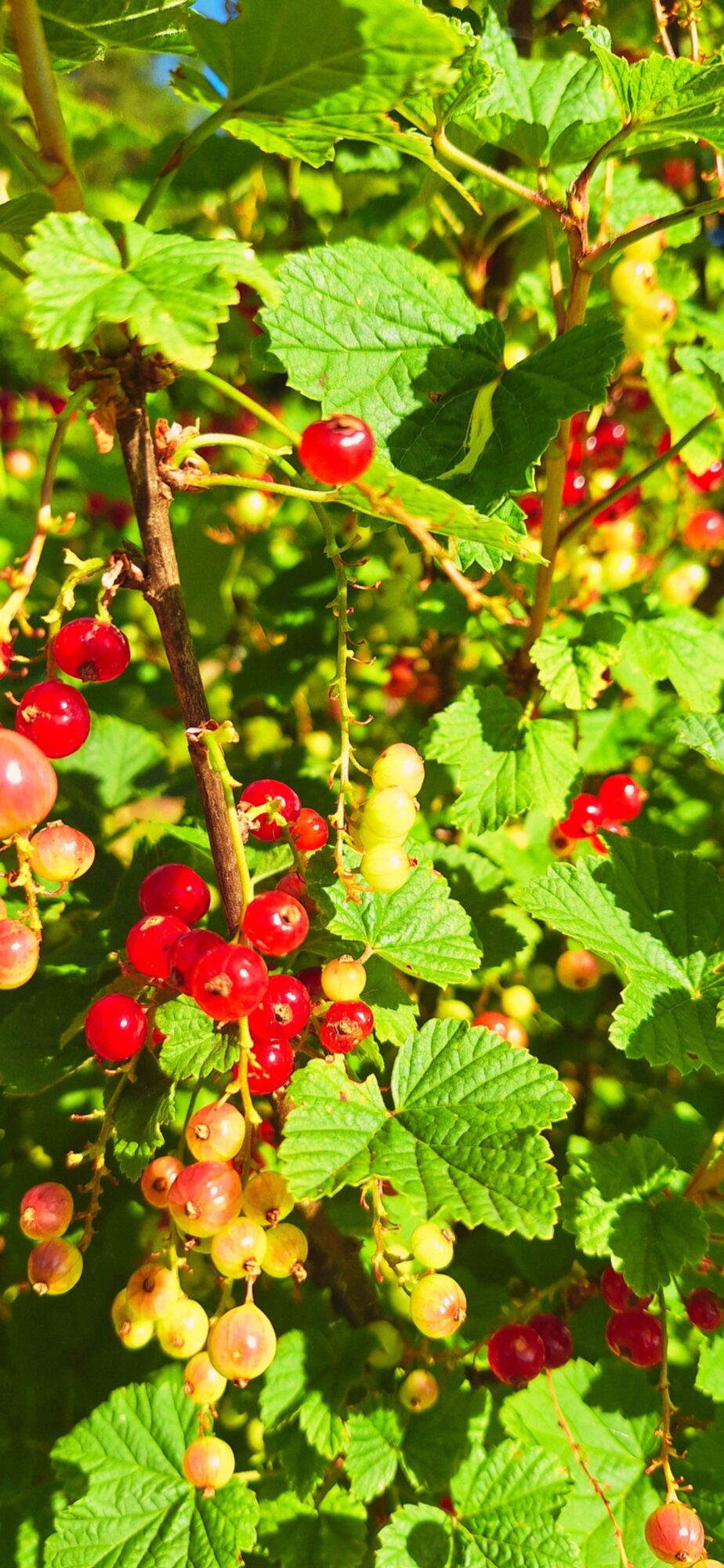
Currants also make for adorable garnishes, much like little wild strawberries (you can read about them in my previous post). They are visually stunning, resembling shiny rubies. If you Google “ruby color,” you’ll see that they match that priceless hue perfectly. Plus, their taste is just as rich and flavorful as they look. I still remember the first time I had a drink made with them; it was incredible!
This combo is effortless to prepare. All you need are currants, limes, a sweetener, water, and ice. Let’s make a refreshing and tangy red currant limeade every summer!

The Easiest Way to Prepare Currants
Removing the stems from currants can be time-consuming, especially when the fruit is abundant. Instead of removing the stems first, just rinse the currants and then boil them in a large pot with added sugar and some water. The sugar will help to release the juices more easily, allowing the stems and seeds to be separated during the straining process.
Cook the currants for a few minutes until they become soft. Use a potato masher to extract even more juice, and then let the mixture steep for about 20 minutes. After steeping, strain the mixture through a large sieve to remove all the stems and seeds. You can return the liquid to the stove to cook it longer to make it even more syrupy for longer preservation.
If you want to streamline the process and make various natural juices or syrups, consider investing in a cold-press juicer or a steam juice extractor.

3 Ways to Make Currant Drinks
Fresh Juice:Simply mash a few currants with a spoon and strain the mixture.
Simple syrup: Lightly cook the currants for a few minutes before using them.
Syrup with Longer Shelf Life: Prepare syrup ahead of time to enjoy during the summer months.
1. Make Fresh Juice in a Few Minutes – No Cooking Required!
When you’re short on time, using freshly squeezed juice from a few currant berries can make the process even faster.
To extract the juice, press the fruits in a shallow dish using the back of a spoon, a slotted spoon, a fork, or even a potato masher. If the seeds are bothersome, strain the juice. When I’m making a fresh limeade just for myself, I usually just leave the seeds in.

Syrup Preparation
2. Simple Syrup – Just a Few Minutes to Prepare
If you prefer a simple syrup version, there’s no need for additional instructions. Just simmer the currants for a few minutes to extract more flavor.
Remove the stems from the berries and place them in a pot with sugar and some water. Bring the mixture to a boil, then reduce to a simmer for 15 minutes. Strain out the seeds using a sieve and allow the syrup to cool before using.

3. Real Syrup – Real Cooking
To simplify your life, consider making syrups that have a longer shelf life. This way, you can have the essential ingredients for summer beverages ready in advance. My plan for next year is to focus mainly on making syrups from currants, as they can be stored for extended periods.
1. Release
Begin by placing the rinsed currants in a large pot with sugar and letting them sit for a while to release the juices.
2. Boil
Add some water and boil the mixture over low heat until the fruit is softened.
I like to assist this process by mashing the fruit, which helps release all its flavor more quickly. You can use a potato masher or a hand blender when the currants are already removed from the stems.
3. Strain
Strain the mixture to remove the solids, then add freshly squeezed lime juice and adjust the sugar to taste. Return the liquid to the stove and let it simmer a bit longer until it reaches a syrupy consistency.
4. Preserve
Thoroughly wash a glass jar or a bottle with boiled water to sterilize it for longer storage. It is best to use a convenient bottle that makes it easier to pour the liquids. Don’t forget to seal it tightly and turn it upside down to ensure complete preservation. Allow it to cool to room temperature, then store it in a cool, dark place.

Extra tips
Fruit Substitutes
If currants aren’t available, you can use other berries such as blueberries, blackberries, raspberries, strawberries, or even pomegranate. Note that these berries tend to be sweeter than currants.
Sweeteners
For this recipe, I’ve used store-bought stevia sugar. I may have taken a shortcut this year, but next year I plan to use fresh stevia leaves if my herb gardening goes well. You can also use maple syrup or honey. Adjust the sweetness to your taste preference.
Limes
You can skip the limes if you want to focus solely on currants, but they pair well together, so I highly recommend trying them. Lemons are just as fine.
Garden Tip
To keep birds from eating your currants, wrap them in netting, garden cover. My mom was right; we wouldn’t have had such an abundance of currants this year if we had left them uncovered!

Storage
Fridge
You can store currant syrup in the fridge for about a month in a clean bottle. Freezing it will extend the shelf life.
Room Temperature Storage
Sterilized jar syrup will last for about a year if kept in a cool, dark place.
Freezing
If you have currants in your garden, consider freezing some for the long, foggy winters or making currant jam. You’ll be grateful to have some saved for later—don’t eat them all now!

Red Currant Recipe Ideas
- Creamy cake or pie
- Ice cream and sorbets
- Jams and toppings for ice cream, yogurt, or pancakes
- Iced tea: homemade, meadow-picked, dried with currant syrup – priceless!
Recipe: Red Currant Limeade
Ingredients for One Pitcher
- Three handfuls of currant berries
- One or two limes
- Freshly squeezed currant and lime juice
- Water (spring or sparkling mineral)
- Ice
- Sweetener of your choice (such as stevia, honey, or maple syrup; the best option is a natural sweetener)
- Garnish: whole currant berries and lime slices
- Fresh herbs (optional: rosemary, mint, or basil)
Instructions
1. In a pitcher or mason jar, combine the freshly squeezed red currant juice and lime juice. Add your chosen sweetener to taste.
2. Fill the pitcher with a generous amount of ice and add either regular or sparkling water. The bubbles will enhance the experience even more. Slice some limes into nice shapes for garnish, and add whole currant berries to float in the water like little rubies.

Sweet closure,
Currants have a tart flavor, but when mixed with sugar, they become a sweet delight. Adding sugar eliminates all the tartness, making it more pleasant than eating the berries raw.
If you have red currants at home or come across them, you must make this limeade. It’s a wonderful way to surprise your loved ones with a unique summer drink. If you can’t find red currants, consider planting them in your garden!
I love this red currant limeade; it’s a fancy, festive, and tasty mocktail with a beautiful ruby color, just for me. I know I want currants in my garden in all colors.
